
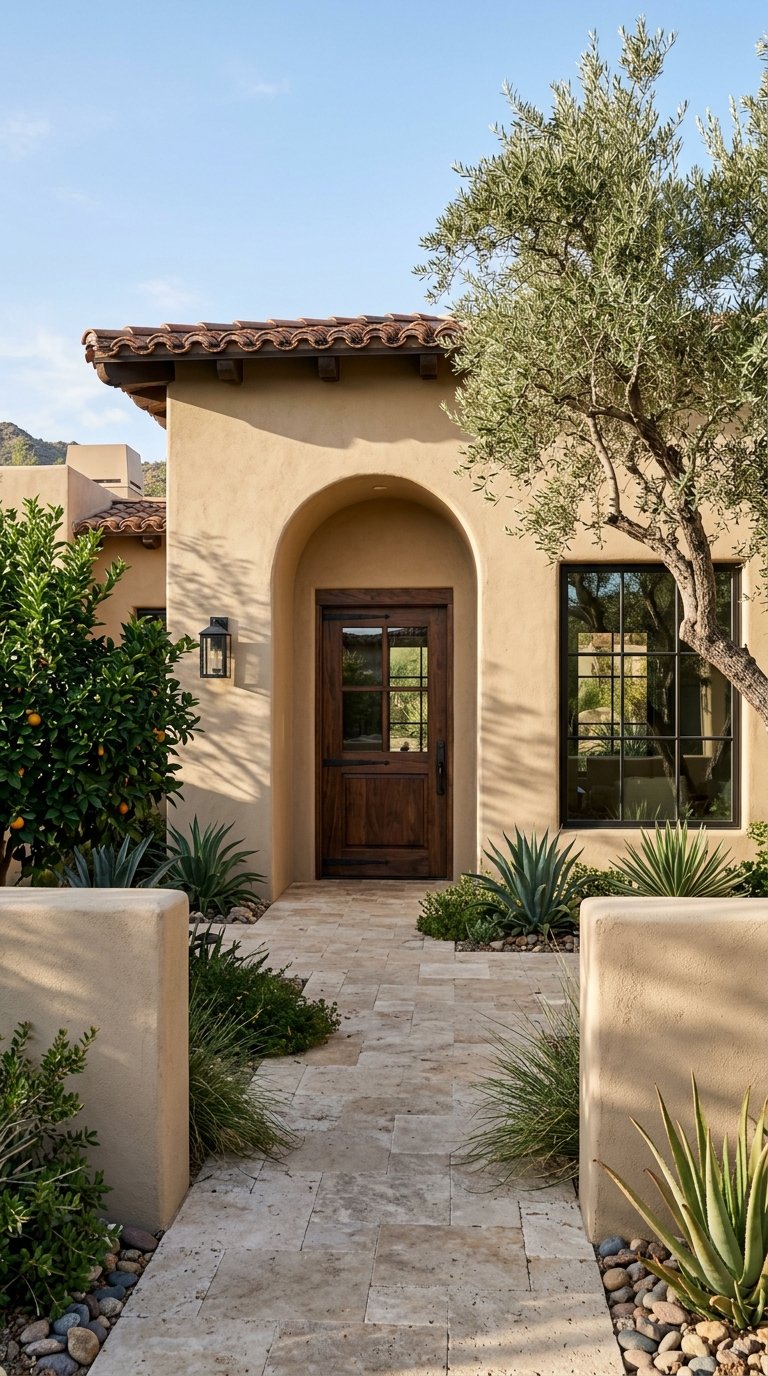
Wondering what kind of homes you will actually find in The Citrus Club? If you have been browsing listings in La Quinta, you have probably noticed that the neighborhood does not fit into just one architectural box. That can make your search more interesting, but it can also make it harder to compare homes at a glance. This guide will help you understand the main architectural styles found in The Citrus Club, how they shape daily living, and what to look for as you narrow your options. Let’s dive in.
The Citrus Club’s architectural identity
The Citrus Club is best understood as a resort community with a shared Spanish-desert backdrop rather than a one-style neighborhood. Its architectural character connects closely to the broader La Quinta resort setting, where Spanish-inspired design has long been part of the visual identity.
Official descriptions tied to the community and the surrounding resort context point to familiar elements such as arches, clay-tile roofs, adobe-style walls, patios, and lush garden spaces. City planning materials also describe La Quinta architecture as a mix of period-revival influences, especially Mediterranean and Spanish Colonial Revival, along with later modern styles.
Spanish and Mediterranean homes
The most recognizable style family in The Citrus Club is Mediterranean or Spanish-influenced design. In current inventory, listing language often points to Mediterranean, Spanish, or hacienda-inspired homes, which gives you a strong clue about the neighborhood’s dominant look.
These homes often feature stucco exteriors, tile roofs, arched openings, and courtyard-style entries. You may also see fountains, French doors, and covered patios that face golf fairways or landscaped outdoor areas.
Why this style fits La Quinta
Spanish-desert architecture works especially well in La Quinta because it complements the climate and the resort setting. The materials and forms create shade, texture, and a strong indoor-outdoor connection without feeling out of place in the desert landscape.
For you as a buyer, that often translates into a home that feels grounded, private, and classic. These properties can have a welcoming arrival sequence and a sense of separation between guest spaces, bedroom suites, and outdoor entertaining areas.
Common features you may notice
When you tour a more traditional Citrus Club home, look for features like these:
- Stucco walls
- Low-pitched tile roofs
- Arches at entries or walkways
- Courtyard arrivals
- French doors opening to patios
- Fountains or water features
- Fairway-facing or garden-facing outdoor spaces
Contemporary desert interpretations
Not every home in The Citrus Club leans traditional. A second style group reads as more contemporary, especially in updated or remodeled residences.
Listing descriptions for these homes often mention light and bright interiors, a fresh contemporary feel, larger glass openings, and pocketing doors that open wide to the outside. The exterior may still reflect the community’s Spanish-desert context, but the interior mood can feel much cleaner and more current.
What makes these homes feel modern
In many cases, the shift is less about a dramatic exterior change and more about how the home lives day to day. Contemporary interpretations often emphasize open circulation, lighter finishes, and spaces that feel easier to furnish for casual entertaining.
If you prefer a home that feels airy and relaxed, this style may stand out to you. The connection between the great room, kitchen, and patio is often stronger, which can make the home feel larger and more flexible.
Typical contemporary updates
You may find features such as:
- Remodeled kitchens
- Cleaner interior lines
- Larger windows or glass doors
- Pocketing doors
- Brighter finishes
- More open main living areas
- Updated entertaining spaces
Transitional homes blend both styles
One of the most important things to know about The Citrus Club is that many homes are transitional. In simple terms, that means they bridge traditional resort architecture and more modern interior living.
This is why one listing may show a classic courtyard exterior, while the interior reveals an open floor plan, a chef’s kitchen, and updated finishes. In The Citrus Club, those combinations are common rather than unusual.
Why transitional design matters
For many buyers, transitional homes offer the best of both worlds. You get the charm and privacy of a traditional desert-resort exterior, along with an interior that feels more aligned with how people live and entertain today.
This can be especially appealing if you love timeless architecture but do not want a home that feels closed off or overly formal. It also gives you more flexibility if you are comparing homes for seasonal use, full-time living, or hosting guests.
How architecture shapes floor plans
In The Citrus Club, architecture is not just about curb appeal. It also affects how the home is laid out and how you move through it.
Many floor plans center on a courtyard or a private gated arrival rather than a simple front-door-to-living-room layout. That creates a more intentional sense of entry and often adds privacy from the street.
Floor plan features seen in the community
Current examples in the neighborhood show a mix of features that support entertaining and guest privacy. Depending on the property, you may see:
- Private gated courtyards
- U-shaped plans
- Detached casitas
- Multiple en-suite bedrooms
- Bonus rooms or offices
- Formal dining rooms
- Wet bars
- Great rooms designed for entertaining
The community also includes a mix of named builder plans, custom residences, and single-family attached homes. That variety helps explain why the neighborhood does not feel repetitive, even though it shares a consistent resort-oriented design language.
Outdoor living is central
In The Citrus Club, outdoor living is not an afterthought. It is one of the clearest ways architecture expresses the desert lifestyle.
Listings commonly highlight pools, spas, outdoor kitchens, fireplaces, pavered patios, water features, mature landscaping, and mountain or fairway views. In many homes, walls of glass, French doors, or pocketing doors make the patio feel like a natural extension of the main living area.
What this means for daily life
If you spend time in La Quinta during the season, this indoor-outdoor flow can be a major advantage. It supports easy entertaining, quieter morning routines, and more usable living space without changing the actual square footage.
For second-home buyers in particular, these design features often add to the lock-and-leave appeal. You can enjoy a home that feels substantial and private while still supporting a lower-maintenance resort lifestyle.
What buyers should take away
The Citrus Club is not defined by a single architectural style. Instead, it offers a shared Spanish-desert identity with homes that range from classic Mediterranean and hacienda-inspired to contemporary and transitional.
That distinction matters when you are evaluating listings. A traditional courtyard home may feel more enclosed and private, while an updated contemporary home may feel brighter, more open, and more casual for entertaining.
Questions to ask as you compare homes
As you tour or review listings, it helps to ask:
- Do you prefer a classic resort look or a more updated interior feel?
- Is a private courtyard important to you?
- Would you use a detached casita for guests or work space?
- Do you want stronger indoor-outdoor flow?
- Are you looking for a more turnkey, lock-and-leave setup?
Those questions can help you look beyond finishes and focus on how the architecture supports your lifestyle.
If you are considering a purchase in The Citrus Club, understanding these design differences can help you spot value more quickly and choose a home that truly fits how you plan to live in La Quinta. For tailored guidance on Citrus Club homes and the broader country-club market, connect with Nicole Cox.
FAQs
What architectural styles are most common in The Citrus Club in La Quinta?
- The most common styles are Mediterranean, Spanish, and hacienda-inspired homes, along with contemporary and transitional homes that blend traditional exteriors with updated interiors.
How do Citrus Club homes in La Quinta differ from one another?
- While the neighborhood shares a Spanish-desert backdrop, some homes lean more classic with courtyards and arches, while others feel more modern with open layouts, brighter finishes, and larger glass openings.
What floor plan features are often found in The Citrus Club homes?
- Homes in The Citrus Club often include private courtyards, detached casitas, multiple en-suite bedrooms, great rooms, wet bars, bonus rooms, and layouts designed for entertaining and guest privacy.
Why is outdoor living important in The Citrus Club neighborhood?
- Outdoor living is a major part of the neighborhood’s design, with many homes featuring pools, spas, patios, outdoor kitchens, fireplaces, and doors that open wide to connect interior spaces with the outdoors.
Are all homes in The Citrus Club traditional Spanish-style homes?
- No. Many homes reflect traditional Spanish-desert architecture, but the community also includes contemporary and transitional homes with more updated interior design and layout features.
