
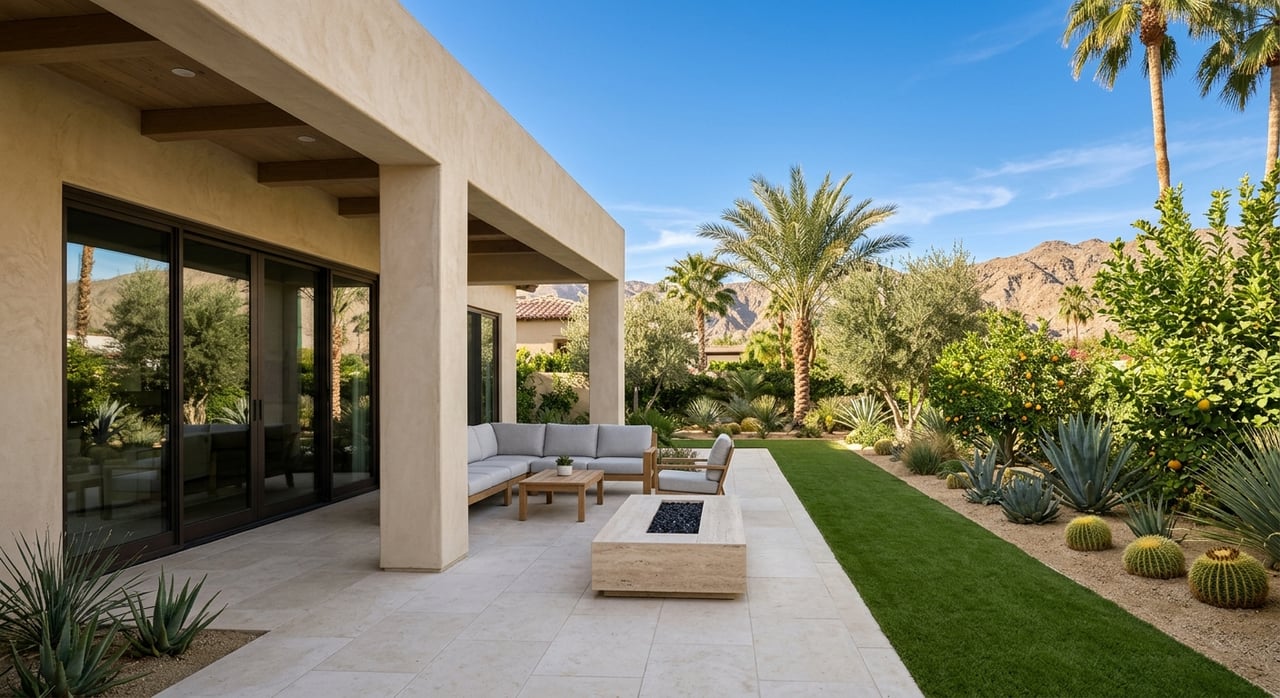
If you are thinking about living in Palm Desert for part of the year or full time, the calendar matters more here than in many other places. This is a city with about 350 days of sunshine, a very dry climate, and a pace that shifts with the seasons rather than stopping altogether. When you know what each part of the year feels like, you can choose the right home, plan your routines, and enjoy the desert lifestyle with more confidence. Let’s dive in.
Palm Desert at a Glance
Palm Desert is a major hub within the desert communities, with 53,087 permanent residents and about 32,000 seasonal residents according to the city. That seasonal pattern says a lot about how people use homes here, especially second homes and lock-and-leave properties.
The climate is one of the biggest reasons people are drawn to the area. The city reports a mean temperature of 73.1°F and roughly 350 sunny days each year, while both city and NOAA data point to very low annual rainfall. In simple terms, you can expect a bright, dry desert setting for most of the year.
Winter in Palm Desert
Winter is when Palm Desert feels easiest for long stretches outdoors. NOAA normals show average highs of 69.2°F in December, 70.5°F in January, and 73.7°F in February, with average lows in the upper 40s to low 50s.
For many buyers, this is the season that explains Palm Desert’s strong second-home appeal. It is a natural time for patio mornings, golf rounds, gallery visits, and leisurely afternoons outside without the intense heat of summer.
Cooler weather also lines up with some of the city’s most enjoyable outdoor and walkable experiences. First Friday on El Paseo runs monthly through April, and the annual concert series at the Gardens on El Paseo takes place in the cooler months.
What winter living usually looks like
Winter often feels social, active, and easy to plan around. You may find yourself using outdoor spaces more often and making the most of Palm Desert’s open-air lifestyle.
Common winter routines include:
- Morning walks and patio coffee
- Golf and early afternoon recreation
- Gallery strolls and shopping along El Paseo
- Outdoor dining and seasonal events
Spring in Palm Desert
Spring warms up quickly, which is part of its appeal. Average highs rise from 80.6°F in March to 86.7°F in April and 94.7°F in May, according to NOAA normals.
This is often one of the most active times of year because you still get pleasant mornings and evenings, while midday begins to feel more distinctly desert-like. If you enjoy being outdoors but also appreciate a lively seasonal calendar, spring tends to be a sweet spot.
Palm Desert also hosts several notable spring events. Fashion Week El Paseo takes place in March, and Palm Desert Food & Wine is also part of the spring event mix.
Why spring appeals to seasonal owners
Spring shows you how important timing can be in the desert. Outdoor living still matters, but comfort starts to depend more on shade, orientation, and how your home handles warmer afternoons.
This is also when El Paseo shines as a lifestyle anchor. The district includes more than 200 shops, restaurants, art galleries, and cafés, many with terraces or patios that fit the season well.
Summer in Palm Desert
Summer is the most intense season, and it helps to be realistic about that. NOAA normals show average highs of 103.6°F in June, 108.6°F in July, 108.1°F in August, and 101.8°F in September, with overnight lows mostly staying in the 70s.
That does not mean life stops. It means your schedule changes. In Palm Desert, summer living is usually built around early mornings, shaded spaces, pool time, and indoor comfort during the hottest part of the day.
Many local routines adjust to match the climate. The Living Desert shortens its hours to 7:00 a.m. to 1:30 p.m. from June 1 through September 30, which reflects how strongly the season shapes daily life.
What matters most in summer
In summer, practical home features become especially important. Cooling efficiency, shade, and outdoor setups that work in the early morning or evening can make a major difference in how enjoyable your home feels.
Features that often matter most include:
- Efficient air conditioning
- Covered patios or shaded outdoor living areas
- Pool or community pool access
- Low-water landscaping
- Layouts that support indoor-outdoor flexibility
Palm Desert still offers ways to stay active during this time of year. The city has more than 200 acres of parkland, 17 parks, two community centers, the Aquatic Center, and more than 25 miles of multi-purpose trails, though many residents naturally shift activity to cooler hours.
Fall in Palm Desert
Fall is when many people feel the city opening back up again for longer outdoor days. Average highs drop to 91.1°F in October and 78.7°F in November, bringing welcome relief after peak summer.
This seasonal change is especially noticeable if you enjoy walking, hiking, dining outdoors, or spending more time on the patio. Discover Palm Desert describes fall as the symbolic opening of hiking season, and some local trails reopen each year on October 1.
Outdoor social life also picks up again in fall. Concerts in the Park returns in October, and year-round destinations like El Paseo become more comfortable for strolling and dining.
Why fall feels like a reset
Fall often works as a bridge between summer routines and the busier winter season. If you own a second home, this is the point when your property may begin to shift back into high-use mode.
You may notice more value in:
- Walkable dining and shopping
- Patio entertaining
- Hiking and trail access
- Golf and other outdoor recreation
- Easy lock-and-leave planning before winter stays
Year-Round Recreation in Palm Desert
One of Palm Desert’s strengths is that the city offers recreation in every season, even though the best time of day changes. The city reports more than 200 acres of parkland, 17 parks, two community centers, the Aquatic Center, and over 25 miles of multi-purpose trails.
Golf is also central to the local lifestyle. Across the Coachella Valley, there are more than 100 private, semi-private, and public courses, and Palm Desert’s Desert Willow Golf Resort offers two championship public courses, Firecliff and Mountain View.
For buyers who are drawn to country-club and golf-community living, this seasonal rhythm is worth understanding before you purchase. A home that feels ideal in January should also support your comfort in July and August.
What Seasonal Ownership Really Means
Palm Desert’s 32,000 seasonal residents make one thing clear: part-time ownership is not unusual here. In fact, the city’s numbers support the idea that many homeowners use Palm Desert as a seasonal base rather than a full-time residence.
If you are considering a second home, it can help to think in two broad seasons. The first is the high-use stretch from late fall through spring, when patios, hiking, golf, dining, and events tend to shape daily life.
The second is summer, when comfort depends more on shade, cooling, pool access, and routines that start earlier or continue later in the evening. That shift does not change Palm Desert’s identity. It simply changes the pace.
Smart features for a Palm Desert home
Because the climate is so consistent, certain home features have clear practical value. These are not just style preferences. They often reflect how well a property fits local living.
Useful features to look for include:
- Shaded outdoor living areas
- Efficient cooling systems
- Pool or community pool access
- Low-maintenance desert landscaping
- Drought-tolerant yard design
The city’s landscaping guidance also supports this approach. Palm Desert encourages water conservation, drought-tolerant desert landscaping, and efficient irrigation upgrades, including rebates for some water-saving improvements.
How to Match Your Home to the Season
If you are buying in Palm Desert, the best choice is often the home that works well across the whole year, not just during one visit. That means thinking beyond finishes and square footage and paying attention to how the property lives in different temperatures.
For example, a beautiful outdoor area may be even more valuable if it includes solid shade and comfortable evening use. A lock-and-leave property may be more practical if the landscaping is low water and low maintenance.
If you are selling, understanding this seasonal story also matters. Buyers are often looking for more than a house. They are looking for a lifestyle that supports winter entertaining, spring events, summer comfort, and fall outdoor living.
Palm Desert changes pace through the year, but it stays true to its desert-resort identity. When you understand that rhythm, it becomes much easier to choose a home that supports the way you want to live.
If you are exploring a seasonal retreat, a full-time move, or the right timing to sell, Nicole Cox can help you navigate Palm Desert with local insight and concierge-level guidance.
FAQs
What is winter weather like in Palm Desert?
- Winter in Palm Desert is mild and comfortable, with average highs around 69.2°F in December, 70.5°F in January, and 73.7°F in February, which makes it one of the best seasons for outdoor living.
What is summer weather like in Palm Desert?
- Summer in Palm Desert is very hot, with average highs of 103.6°F in June, 108.6°F in July, 108.1°F in August, and 101.8°F in September, so most residents shift activities to mornings, evenings, and shaded or indoor spaces.
Is Palm Desert a good place for a seasonal home?
- Palm Desert has a well-established seasonal ownership pattern, with about 32,000 seasonal residents listed by the city, making it a practical market for second-home and lock-and-leave buyers.
What home features matter most in Palm Desert’s climate?
- In Palm Desert, buyers often prioritize efficient cooling, shaded outdoor living, pool access, and low-water landscaping because those features support comfort and practicality throughout the year.
What can you do outdoors in Palm Desert through the year?
- Palm Desert offers year-round recreation, including golf, parks, trails, the Aquatic Center, shopping and dining on El Paseo, with the most comfortable outdoor conditions typically arriving from fall through spring.
When does outdoor living improve again after summer in Palm Desert?
- Outdoor living usually becomes more comfortable in fall, especially in October and November, when average highs ease to 91.1°F and 78.7°F and local hiking and outdoor events begin to pick up again.
