
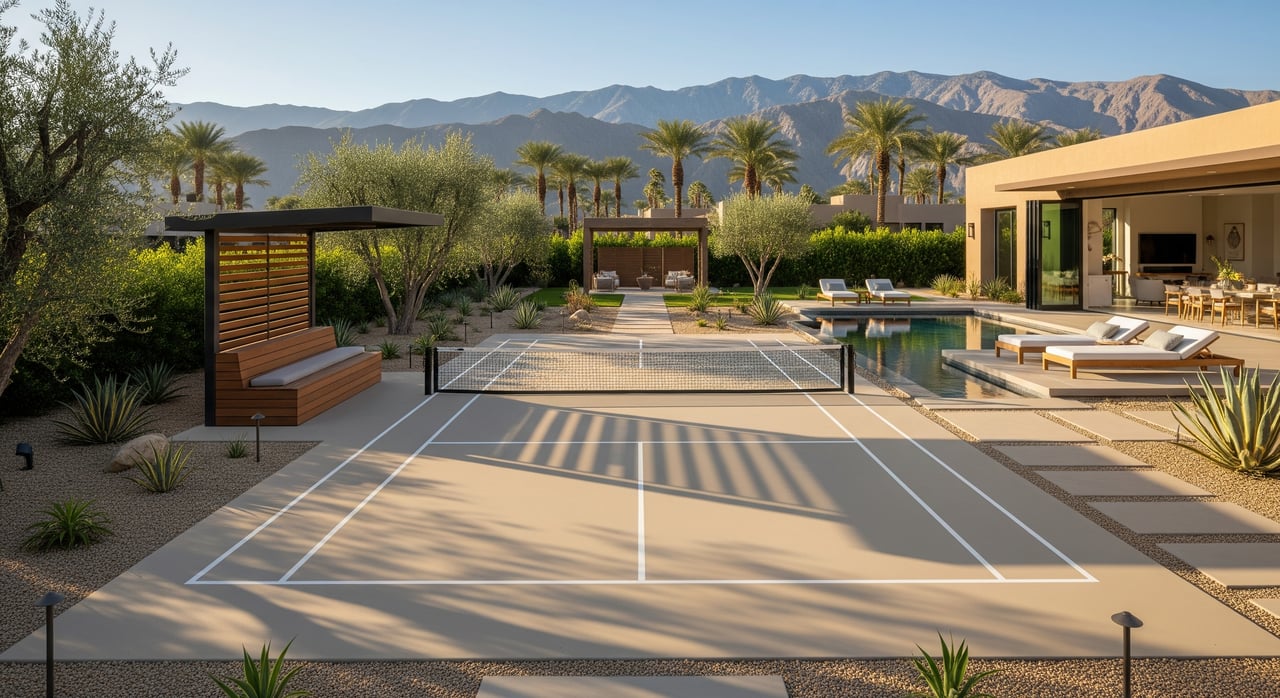
If your ideal desert morning starts with a paddle in hand and mountain views, La Quinta makes it easy to play. Many local communities are adding or upgrading pickleball as demand grows, and residents enjoy a friendly, social game that fits the Coachella Valley lifestyle. Choosing the right neighborhood is about more than counting courts though. In this guide, you’ll learn how pickleball works within La Quinta HOAs and clubs, what design features matter in a desert climate, the tradeoffs to consider, and a practical checklist to use during showings. Let’s dive in.
Why pickleball fits La Quinta
Pickleball is one of the fastest growing sports in the country. Industry groups like the Sports & Fitness Industry Association document continued increases in participation that have spurred new courts and club programming nationwide. You can review those participation trends in the Sports & Fitness Industry Association’s research library for context on demand.
La Quinta sits in a resort region where active living is part of daily life. The area’s club culture, walkable amenity centers, and sunny weather support regular play and easy social connections. Year‑round play is possible, but summer heat shifts activity to early mornings, evenings, or indoor options where available. For many buyers, courts signal a connected, wellness‑minded community that complements golf, fitness, and pool time.
Court options you will see
Dedicated courts
Dedicated pickleball courts are purpose built for the sport. The playing surface measures 20 feet by 44 feet, with additional run‑off, fencing, and seating to support safe movement and spectating. For a deeper dive on sizing and clearances, see the USA Pickleball court diagram and standards on court dimensions and layout. Communities often group courts in sets to support open play and small events.
Converted tennis courts
Some neighborhoods stripe multiple pickleball courts onto existing tennis surfaces, often fitting four pickleball courts on one tennis court. This approach adds capacity quickly and manages costs, but it can create scheduling conflicts between tennis and pickleball users. If you play often, confirm how reservations are prioritized and whether conversions reduce available time for either sport.
Multi‑use setups
Parks or smaller HOAs may use portable nets on multipurpose surfaces. These layouts offer flexibility, yet they are less ideal for competitive play and can increase wear on the surface. If you value a consistent bounce and clean sightlines, ask whether dedicated courts are in the long‑term plan.
Indoor options
Indoor pickleball is less common in smaller communities but can be a smart solution during peak heat months. If summer play matters to you, note whether the community or nearby facilities offer indoor courts with appropriate ceiling height and ventilation.
Design details that matter in the desert
Surfaces and heat
Common court builds include acrylic over asphalt, acrylic over concrete, or post‑tension concrete finished with an acrylic system. In a high‑UV environment like La Quinta, surfaces and lines fade faster. UV‑resistant coatings help, but even quality courts require more frequent maintenance than in milder climates. Ask about the surface type, installation date, and the most recent resurfacing.
Lighting, wind, and shade
Good night lighting extends play into cooler hours but adds energy and maintenance costs. Wind can affect play in open desert areas, so smart court orientation and windbreaks help. Shade structures or covered seating near courts increase comfort during late afternoons and shoulder seasons, and they tend to be popular social hubs before and after games.
Noise and proximity
Pickleball’s distinctive pop travels. Thoughtful siting, fencing, and landscape buffers reduce noise near homes. If you prefer quiet at certain times of day, note how close the courts sit to residences, whether there are sound‑mitigating features, and the posted play hours.
How access and membership work
Included HOA amenity
In many master‑planned communities, court access is included in regular dues. Residents can book court time through an online or app‑based system, and the HOA manages lighting schedules, maintenance, and general rules. This model keeps day‑to‑day costs predictable but depends on the HOA’s budgeting and reserves.
Private club models
Resort‑style developments sometimes place courts within a separate, paid club. Residents may receive priority or discounted membership, and the club uses fees to manage capacity and programming. This approach often delivers higher service levels and events, yet it adds an extra line item to your monthly or annual costs.
Hybrid and municipal options
Some communities offer limited free hours for residents, with premium access, lessons, and guest passes available through a membership. Beyond HOAs, municipal parks can supplement play with public courts and reservation systems. If you split time between homes or host frequent guests, this mix of options can be helpful.
Rules and programming
Expect posted rules around reservations, time limits, and court rotation during peak hours. Many HOAs contract teaching pros for clinics, social mixers, leagues, and tournaments. Organized play can be a great way to meet neighbors and sharpen your game, and in some communities it helps balance demand across prime times.
The real costs and HOA questions
Courts need care to play safely and look their best. Typical tasks include surface recoating, line repainting, net and post replacement, fence repair, and lighting upkeep. In sun‑intense climates, these cycles come sooner than in coastal or temperate areas, so it is smart to review how the HOA plans and funds ongoing work.
In California, HOAs operate under the Davis‑Stirling Common Interest Development Act, which sets governance and disclosure practices. Before you buy, request the CC&Rs, rules and regulations, the latest reserve study, and recent board minutes that address amenities. You can learn more about the Davis‑Stirling framework and disclosures by viewing the Davis‑Stirling legal guides. Look for clear budget line items for court maintenance and a realistic reserve contribution that matches the surface lifecycle in the desert.
Buyer checklist for showings
Use this quick checklist to compare communities and avoid surprises later.
- Amenity specifics
- How many dedicated pickleball courts are on site? Are any tennis courts also striped for pickleball?
- Are courts indoor or outdoor? Are they lighted, and are lights on a timer?
- What is the surface type and age? When was the last resurfacing?
- Access and rules
- Is court access included in HOA dues, or is there a separate club membership? If membership is required, what are the current fees and waitlists, if any?
- How do reservations work, and what are time limits and guest policies?
- Are lessons, leagues, or social mixers offered on a regular schedule?
- Financial and governance
- Request the HOA’s CC&Rs, rules and regulations, the most recent reserve study, and the operating budget showing court maintenance.
- Ask whether there have been special assessments related to courts or amenity upgrades, and whether any are planned.
- Quality of life and logistics
- Are there recorded noise or nuisance complaints related to the courts?
- How close are the courts to homes, and are there buffers such as landscaping, fencing, or berms?
- What are typical peak usage times, and do they fit your routine?
- Local alternatives
- Are there nearby public courts, clubs, or commercial facilities that supplement HOA courts when you have guests?
- Seasonal considerations
- What summer adjustments are in place, such as early‑morning programming, shade structures, or indoor alternatives?
Seasonal play in La Quinta
Summer heat shapes the daily rhythm. Most players shift to early mornings and evenings, and communities with lights, shade, and indoor options see steady use even in the warmest months. Shoulder seasons deliver the best blend of comfort and availability, especially if you enjoy daytime play.
During site visits, walk the courts at different times of day. Notice sun angles, shade, and wind patterns. Ask residents about the busiest times and how easy it is to book a court during your preferred window.
Balancing lifestyle and resale
Pickleball is a powerful social amenity that brings neighbors together. It can also influence resale appeal by attracting buyers who value active, low‑barrier recreation. At the same time, land dedicated to courts may replace other amenities, and proximity to play areas may not suit everyone. The right fit depends on your daily rhythm, desired level of activity, and expectations for privacy and noise.
If you plan to sell in the future, communities that pair quality courts with thoughtful siting, clear rules, and healthy reserves tend to present well. The goal is a smart balance between play quality, maintenance planning, and neighborhood tranquility.
Next steps for your search
- Tour communities and count courts, noting surface condition, lighting, shade, and wind exposure.
- Ask for the HOA packet early, including CC&Rs, rules, the reserve study, and recent board minutes discussing amenities.
- Talk with on‑site managers about reservation systems, programming, and budget planning for resurfacing and lighting.
- Chat with players during peak times to understand the social scene and court availability.
- If you are sensitive to sound, test locations near the courts at different hours.
If you want a curated list of La Quinta neighborhoods that match your pickleball, golf, and lifestyle goals, let’s connect. With deep country‑club expertise and a concierge approach to buying and selling, Nicole Cox can help you compare HOA models, decode reserve studies, and secure the right desert home.
FAQs
What makes a good pickleball court in the desert?
- Look for durable acrylic surfaces over concrete or post‑tension slabs, UV‑resistant coatings, quality lighting, windbreaks, and nearby shade to manage heat and glare.
How big is a standard pickleball court?
- The playing area is 20 feet by 44 feet with recommended clearances around it, as outlined in USA Pickleball’s published court standards.
How do HOAs typically manage pickleball access?
- Access is often included in dues, placed behind a paid club membership, or offered in a hybrid model with limited free hours plus premium options for lessons and events.
What HOA documents should I review before buying?
- Request the CC&Rs, rules and regulations, the latest reserve study, operating budgets, and recent board minutes that mention court maintenance, upgrades, or assessments.
Are noise concerns common near pickleball courts?
- The sport has a noticeable pop, so proximity matters; buffers, fencing, and posted hours help, and it is wise to visit at peak times to judge sound for yourself.
How does summer heat affect play in La Quinta?
- Most players shift to early mornings and evenings in summer; lighting, shade structures, and any indoor options become especially valuable.
Do more courts mean higher dues?
- Quality courts require resurfacing, lighting upkeep, and fence repairs; healthy reserves and transparent budgeting are key to avoiding surprise assessments.
